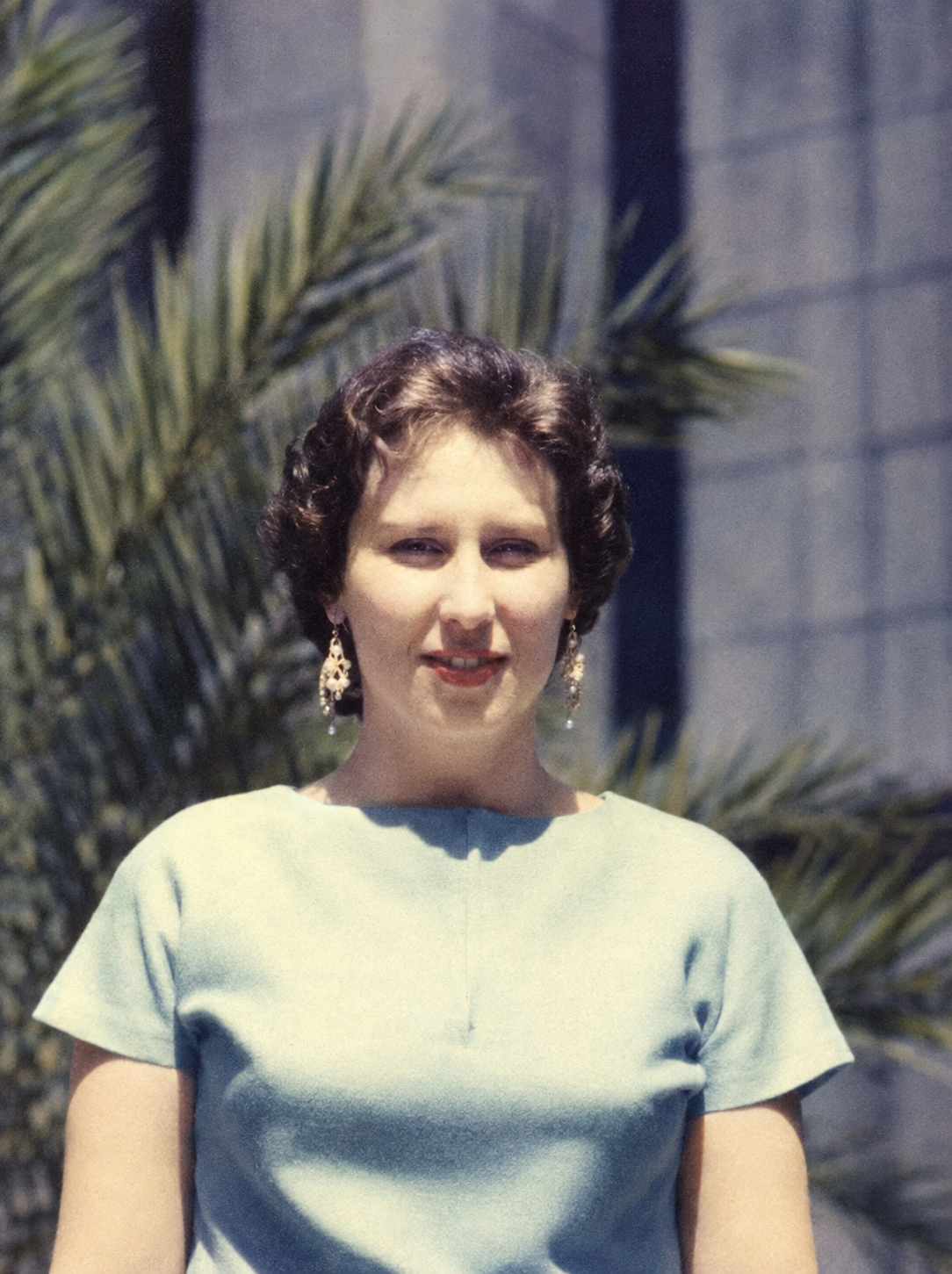
Cirlaine Foster Coffin was born in Danforth, Maine, in 1932. She became an elementary-school teacher, the wife of David Coffin, and the adoptive mother of nine children. Her life was defined by a belief that children facing disabilities, learning difficulties, poverty, or instability deserved more than sympathy: they deserved education, security, and a permanent family.
Unable to have biological children, Cirlaine and David contacted Maine’s state adoption agency. After several years of waiting, they began a remarkable journey that would bring nine children into their family.
The first children“Am I adequate?”
Their first children arrived in February 1963. Jeffrey was a toddler, and his older half-sister, Betty Anne, was three and had significant developmental disabilities. The siblings needed to remain together.
Cirlaine initially admitted that she had imagined adopting a healthy infant. When she learned about Jeffrey and Betty Anne, however, she did not ask whether they were the children she had expected. Instead, she asked:
“Am I adequate?”
— Cirlaine Foster Coffin, on meeting her first children
That question captured Cirlaine’s understanding of adoption. The issue was not whether a child met a prospective parent’s expectations, but whether the parent could give that child the care, patience, and security he or she needed.
When Betty Anne entered the Coffin home, she weighed only 18 pounds and could neither walk nor feed herself. With consistent care and instruction, she made progress and later attended the Opportunity Center operated by the Eastern Maine Friends of Retarded Children in Bangor. The organization’s historical name reflects the terminology of the period; today, Betty Anne’s needs would be described using the language of developmental disability and individualized support.
Only a few months later, nine-month-old Garth joined the family. Stephen arrived in January 1965 when he was just 16 days old. He would later be diagnosed with dyslexia.
A household of care“You Gotta’ Have Heart”
A 1967 Portland Sunday Telegram feature titled “You Gotta’ Have Heart” profiled the Coffins at their home in Dedham, Maine. It pictured Cirlaine with Jeffrey, Betty Anne, Garth, and Stephen and described a loving household in which the children learned to care for one another.
Cirlaine explained that Betty Anne needed patience, understanding, and additional time because she had to be deliberately taught skills that other children learned automatically. The boys learned responsibility by helping their mother and looking after their siblings. On icy Maine days, they volunteered to help Cirlaine walk from the car to the house. They even alerted her when she had put her shoes on the wrong feet — sometimes while their own shoes were reversed.
The family growsNine children, one family
The family continued to grow. Tracy arrived in August 1968 at 18 months old after his biological mother placed him in foster care. Five-week-old David joined the Coffins in April 1970 after his first adoptive family was unable to manage his severe colic.
Three days before Christmas in 1972, two-year-old Sean arrived. He had experienced serious abuse and brought profound emotional and behavioral challenges with him. Cirlaine recognized that he had been denied a carefree childhood and would require extraordinary patience and stability.
In 1973, the Coffins moved to Utah to care for Cirlaine’s aging parents. While waiting for their Maine home to be sold, they were contacted about five-year-old Sheri, who had already lived in seven different homes. She became the eighth Coffin child.
Months later, newborn Brett completed the family. He weighed only five pounds and later struggled with severe dyslexia. Cirlaine’s experience raising children with learning and developmental differences would become an especially meaningful part of her legacy.
Sacrifice & devotion“We saved and scrimped”
The Coffins were never wealthy. David worked as a structural-steel detailer, while Cirlaine taught elementary school. “We saved and scrimped,” David later recalled. When they lacked the money for one adoption fee, David’s sister, Millicent, gave them $100 from her income-tax refund.
Cirlaine did not measure family success materially. She measured it in children who were safe, educated, employed, and connected to one another. A social worker who knew the family said they had demonstrated that there was “no such thing as an unadoptable child.”
By 1994, most of the Coffin children — then between 20 and 34 years old — were employed. Six had served missions for The Church of Jesus Christ of Latter-day Saints, five had become Eagle Scouts, and three were married with children of their own. Despite the obstacles they had faced, they remained a family.
Cirlaine preserved each child’s story in one of nine detailed scrapbooks containing photographs and personal histories. Even while raising a large family and teaching, she understood the importance of ensuring that every child knew where he or she came from and how that child had become part of the Coffin family.
Family traditions were equally important. At Thanksgiving, Cirlaine made 26 pies — two for each child, with additional pies for friends — while David made batches of fudge. At one point, four children were in diapers simultaneously, but Cirlaine said caring for them never felt like a chore. She genuinely enjoyed tending, teaching, and watching them develop.
A lasting callingThe same calling, in classroom and home
Cirlaine eventually taught at Barratt Elementary School in American Fork, Utah. Her classroom work and family life were expressions of the same calling: helping children recognize their abilities and providing the support they needed to grow.
During the final years of her life, Cirlaine fought cancer while undergoing weekly chemotherapy. By 1994, she had been battling the disease for six years, and it had spread throughout her body. She resisted pity and remained more concerned about her family’s welfare than her own suffering. She was determined to remain with them until she believed they could take care of themselves.
Cirlaine died in 1995. Her influence, however, continues through the children she raised, the students she taught, and the generations that followed them.
Cirlaine Foster Coffin gave nine children more than a house. She gave them permanence, identity, opportunity, and the knowledge that they belonged. That commitment remains the inspiration for the Cirlaine Coffin Foundation and its work on behalf of children facing learning difficulties and economic hardship.
Carrying Cirlaine’s belief forward — one child at a time.
The Cirlaine Coffin Foundation continues her life’s work: making sure a child’s disability, learning difficulty, or hardship never sets the limit on their future. You can help write the next chapter.